
The Perfect Macronutrient Balance
Understanding how to combine proteins, fats, and carbohydrates transforms your approach to everyday nutrition. Learn the science behind balanced eating and discover how it supports your wellbeing.
The information on this site is for educational purposes only and does not constitute medical advice. Always consult a qualified healthcare professional before making health decisions.
Key Nutritional Metrics
Protein
25-35% of daily calories supports muscle maintenance, recovery, and satiety throughout the day.
Healthy Fats
20-35% of daily calories provides energy and supports hormone function and nutrient absorption.
Carbohydrates
45-65% of daily calories fuels your brain and muscles, especially around activity and exercise.
Fiber & Micronutrients
Essential vitamins and minerals from whole foods maintain energy, immunity, and overall function.
Why Balance Matters for Your Health
A balanced approach to macronutrients creates a foundation for sustained energy, mental clarity, and physical resilience. When you combine proteins, fats, and carbohydrates thoughtfully, you support your body's natural processes without restriction or deprivation.
Rather than eliminating food groups, understanding how they work together helps you make choices that feel satisfying and support your individual goals. This approach respects your lifestyle, preferences, and the reality that consistent, sustainable nutrition beats extreme measures every time.
Stable Energy Levels
Balanced macros prevent energy crashes and support consistent focus throughout your day.
Improved Satiety
Protein and fiber work together to keep you feeling satisfied longer between meals.
Long-Term Sustainability
A balanced framework is flexible enough to fit real life, social events, and individual preferences.
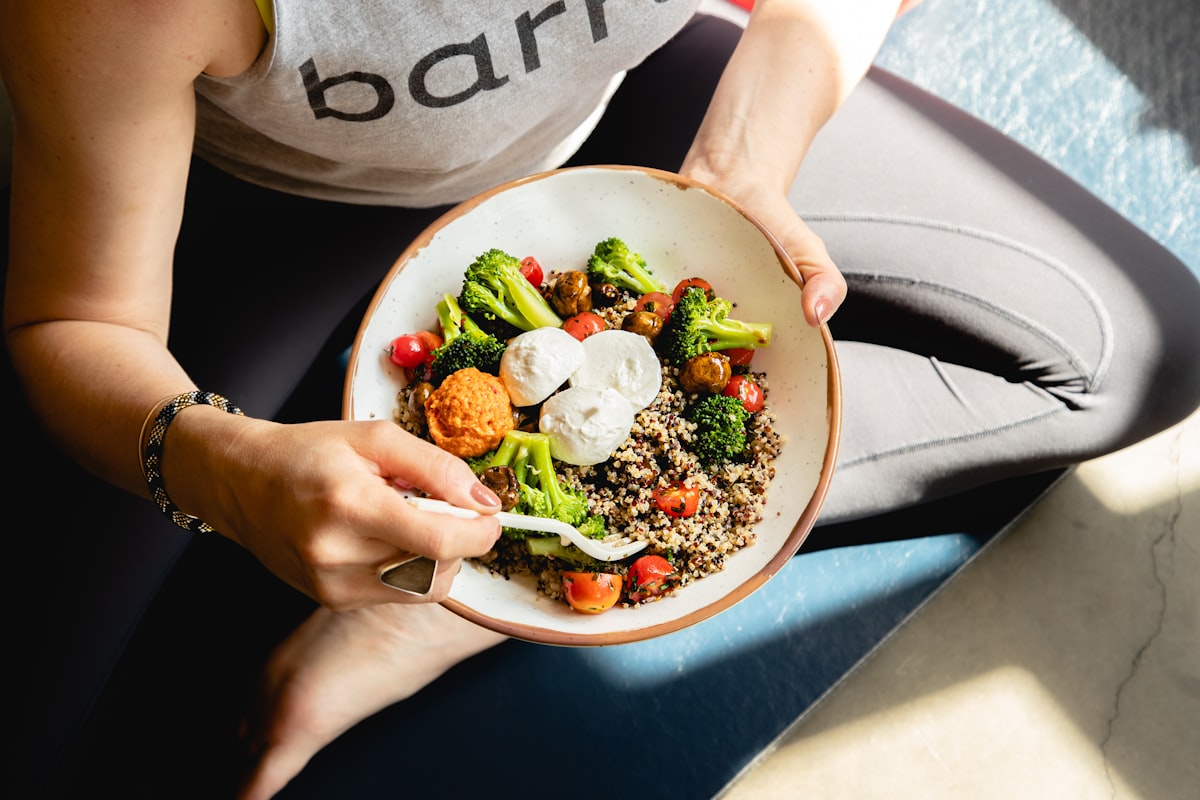
The Three Pillars of Nutrition
Proteins: The Building Blocks
Proteins are made of amino acids that repair and build muscle tissue, support immune function, and keep you feeling full. Quality sources include poultry, fish, eggs, legumes, dairy, and plant-based options like tofu and tempeh.
Daily target: 1.2–1.6g per kilogram of body weight, or approximately 25–35% of total daily calories.
Fats: The Essential Nutrients
Healthy fats regulate hormones, support brain function, and help absorb fat-soluble vitamins A, D, E, and K. Focus on unsaturated fats from avocados, nuts, seeds, olive oil, and fatty fish rich in omega-3s.
Daily target: 20–35% of total daily calories, emphasising quality over quantity.
Carbohydrates: Your Fuel
Carbohydrates fuel your brain and muscles, especially during physical activity. Choose whole grains, vegetables, legumes, and fruit over refined options to maximise fibre and nutrient density.
Daily target: 45–65% of total daily calories from nutrient-dense sources.
Building Your Balanced Plate
Follow these simple steps to create meals that combine all three macronutrient groups for sustained energy and satisfaction.
Start with Protein
Choose a palm-sized portion of lean meat, fish, eggs, dairy, or plant-based protein. This becomes the anchor of your meal and supports satiety and recovery.
Add Healthy Fats
Include a thumb-sized serving of olive oil, nuts, seeds, or avocado. These add flavour, support nutrient absorption, and enhance satisfaction.
Fill with Carbohydrates
Cover half your plate with whole grains, starchy vegetables, or legumes. These provide energy and fibre for sustained fullness.
Top with Vegetables
Round out the plate with colourful non-starchy vegetables for vitamins, minerals, and additional fibre with minimal calories.
Balanced Meal Inspiration
Real examples of how to combine proteins, fats, and carbohydrates into satisfying meals that work for breakfast, lunch, dinner, and snacks.

Protein-Packed Breakfast
Scrambled eggs with whole grain toast, avocado, and side salad. This combination provides sustained energy for your morning without the mid-morning crash.
- Protein: Eggs (20g)
- Fats: Avocado and olive oil (12g)
- Carbs: Whole grain toast (30g)

Balanced Lunch Bowl
Grilled chicken breast, quinoa, roasted vegetables, and tahini dressing. A complete meal that travels well and satisfies through the afternoon.
- Protein: Chicken breast (35g)
- Fats: Tahini and seeds (10g)
- Carbs: Quinoa and vegetables (45g)

Nutrient-Rich Dinner
Baked salmon with sweet potato and steamed broccoli. Omega-3 fats support heart and brain health, while the carbs refuel after exercise.
- Protein: Salmon fillet (28g)
- Fats: Salmon omega-3s (14g)
- Carbs: Sweet potato (35g)

Satisfying Snack
Greek yogurt with berries, granola, and almonds. A quick option that bridges meals without derailing your balance of macronutrients.
- Protein: Greek yogurt (15g)
- Fats: Almonds (7g)
- Carbs: Berries and granola (22g)

Plant-Based Power Bowl
Lentils, brown rice, roasted vegetables, and hemp seeds. A plant-forward meal that provides complete protein and sustained energy from whole foods.
- Protein: Lentils and hemp (18g)
- Fats: Hemp seeds (8g)
- Carbs: Rice and vegetables (52g)

Quick Weeknight Dinner
Lean turkey meatballs with whole wheat pasta and marinara. A faster option that doesn't sacrifice balanced nutrition or flavour during busy evenings.
- Protein: Turkey meatballs (32g)
- Fats: Olive oil in sauce (8g)
- Carbs: Whole wheat pasta (48g)
Ready to Understand Balanced Nutrition Better?
Our comprehensive nutrition guide breaks down macronutrients, portion sizes, and practical strategies to help you build meals that work with your lifestyle.
Read the Full GuideCommon Questions About Macronutrient Balance
The most commonly recommended balance is approximately 30% protein, 30% fat, and 40% carbohydrates—though individual needs vary based on activity level, fitness goals, and personal preferences. Some people thrive with slightly higher protein (35%) if they're very active, whilst others find success with higher carbohydrate intake. The key is starting with these general ranges and adjusting based on how you feel: sustained energy, appetite control, and mood stability are good indicators of what works for your body.
Real Results from Our Community
"Once I understood how to balance my meals, I stopped feeling exhausted by mid-afternoon. I'm more focused at work, sleep better, and I'm not obsessing over 'good' and 'bad' foods anymore. This approach actually fits my real life."
Sarah Mitchell
Leeds, England
"I thought I had to cut out carbs to stay healthy, but learning about balanced nutrition changed everything. I have more energy for my training, and I actually enjoy eating again. The practical tips make it easy to apply every day."
James Richardson
Manchester, England